
In a landmark move, the United Kingdom enforced a nationwide ban on disposable vapes in June 2025, citing environmental waste and youth protection concerns. This policy has accelerated a seismic shift in the vaping industry toward refillable devices, with sales of reusable pods and mods jumping 45% in the latter half of the year. Globally, this trend aligns with broader sustainability pushes, as consumers demand eco-friendly alternatives amid rising plastic pollution awareness.
Refillable Vape Shift Graph Figure 1: Post-ban sales data showing 45% growth in refillable devices across Europe in 2025.
The ban, part of the Environment Act 2021, targets single-use plastics responsible for millions of discarded vapes annually. Brands like Vaporesso and Innokin have responded with innovative ceramic coil refillables that offer richer flavors and longer battery life—up to 10,000 puffs per charge—while reducing e-waste by 70%. In the U.S., similar flavor bans in states like New York have mirrored this, pushing manufacturers to highlight compliant menthol and tobacco profiles alongside transparent e-liquid chambers for easy monitoring.
Environmental groups applaud the change, but the tobacco industry faces backlash for lobbying against it. WHO reports over 100 million global vapers in 2025, with the sector's $22 billion valuation under scrutiny for aggressive marketing to youth. Positively, refillables empower customization, from nicotine strength to hybrid delta-9 infusions in legal markets, blending vaping with wellness trends.
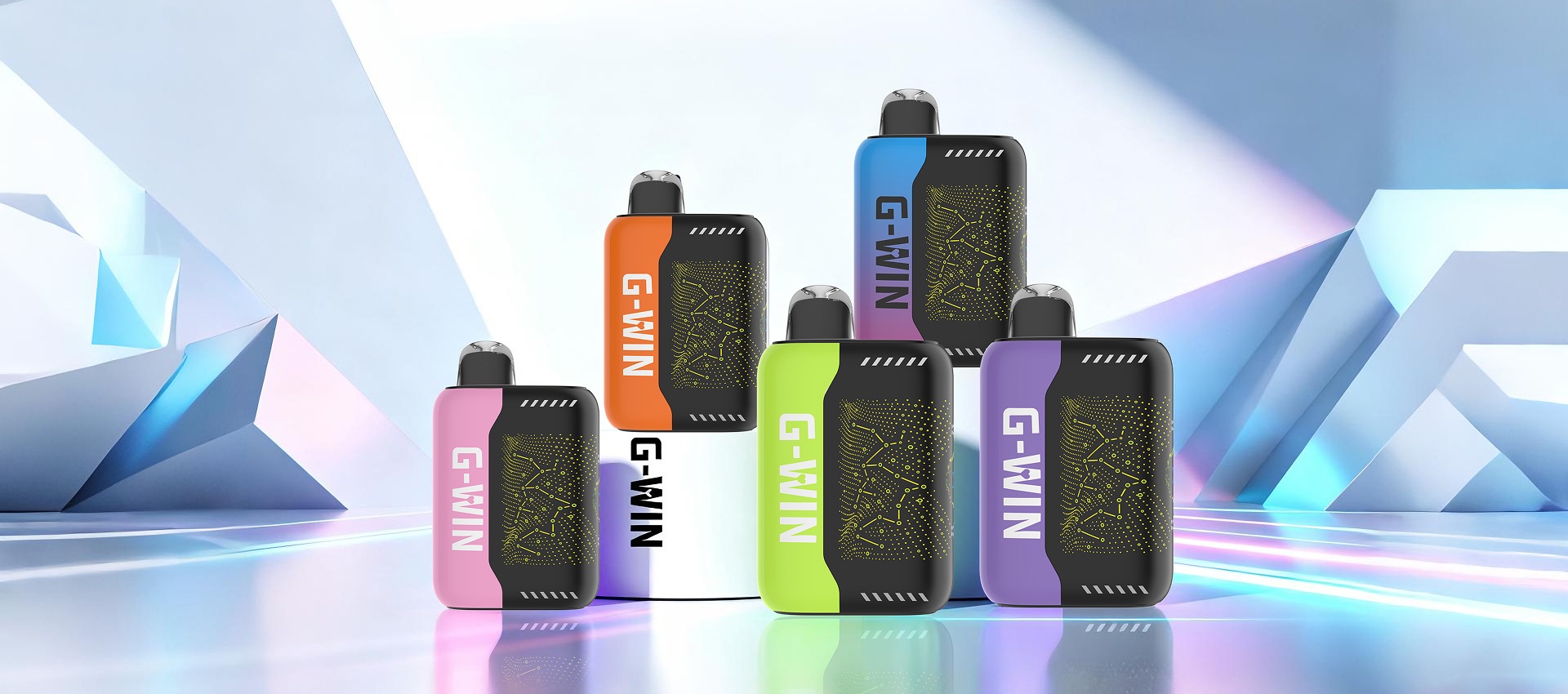
Eco-Friendly Vape Prototype Figure 2: Prototype of a 2025 refillable vape with biodegradable components, reducing waste in line with global regulations.
Industry experts predict this pivot will drive a 19.3% CAGR through 2030, emphasizing hygiene features like detachable batteries and flavor pods. For vapers, it's a greener, more versatile future—proving regulation can foster innovation rather than stifle it.